


Ecommerce Development is the first step of building a thriving online retail business, which takes more than listing products and waiting for orders. The challenge lies in choosing the right technologies and features that truly meet customer needs while handling everything from secure payments to expanding market access. Understanding digital transformation and essential development strategies helps owners develop competitive ecommerce platforms ready for a global audience and the demands of today’s digital economy.
Table of Contents
- What Is Ecommerce Development Today
- Types Of Ecommerce Platforms Compared
- Essential Features For Conversion Success
- Legal And Security Considerations Online
- Cost Factors And Common Mistakes
Key Takeaways
| Point | Details |
|---|---|
| Ecommerce Development | Modern ecommerce involves more than just an online store; it integrates payment systems, CRM, security, and personalized shopping experiences. |
| Technological Integration | Leveraging AI, AR, and mobile commerce is essential for creating sophisticated customer journeys and adapting to changing consumer behavior. |
| Platform Selection | Choosing the right ecommerce platform affects digital sales strategies; factors such as target audience and transaction volume must be carefully considered. |
| Cost Management | Businesses should strategically invest in ecommerce development, focusing on long-term sustainability rather than merely minimizing costs. |
What Is Ecommerce Development Today
Ecommerce development has radically transformed how businesses create and manage online sales platforms. At its core, digital commerce involves buying and selling goods online through sophisticated web technologies that enable seamless transactions across global markets.
Modern ecommerce development encompasses far more than simply creating an online storefront. It integrates complex systems including:
- Payment gateway integration
- Secure transaction processing
- Responsive website design
- Customer relationship management (CRM)
- Inventory tracking mechanisms
- Personalized shopping experiences
The landscape of digital commerce continues evolving rapidly, driven by technological innovations and changing consumer behaviors. Global digital economy trends demonstrate significant shifts toward online platforms that offer unprecedented convenience and accessibility.
Digital transformation has become a critical strategy for businesses seeking to remain competitive. Today’s ecommerce platforms are not just transactional spaces but sophisticated ecosystems that leverage artificial intelligence, machine learning, and advanced analytics to create personalized customer journeys.
Successful ecommerce development requires understanding technology, user experience, and strategic digital marketing simultaneously.
Emerging Technologies Reshaping Ecommerce:
- Artificial Intelligence (AI) recommendation engines
- Augmented Reality (AR) product visualization
- Voice commerce interfaces
- Advanced mobile shopping experiences
- Real-time inventory management systems
Pro tip: Invest in a flexible, scalable ecommerce platform that can adapt to emerging technologies and changing consumer expectations.

Types Of Ecommerce Platforms Compared
Online business platforms serve as critical intermediaries connecting sellers and buyers across diverse digital marketplaces. These platforms range from massive global networks to niche specialized environments, each designed to meet specific business and consumer needs.
Major Ecommerce Platform Categories:
- Business-to-Consumer (B2C) platforms
- Business-to-Business (B2B) marketplaces
- Consumer-to-Consumer (C2C) platforms
- Consumer-to-Business (C2B) networks
Each platform type offers unique features tailored to different transactional requirements. Global e-commerce sales demonstrate significant market diversity, with platforms emerging to address specialized industry needs across technological and consumer goods sectors.
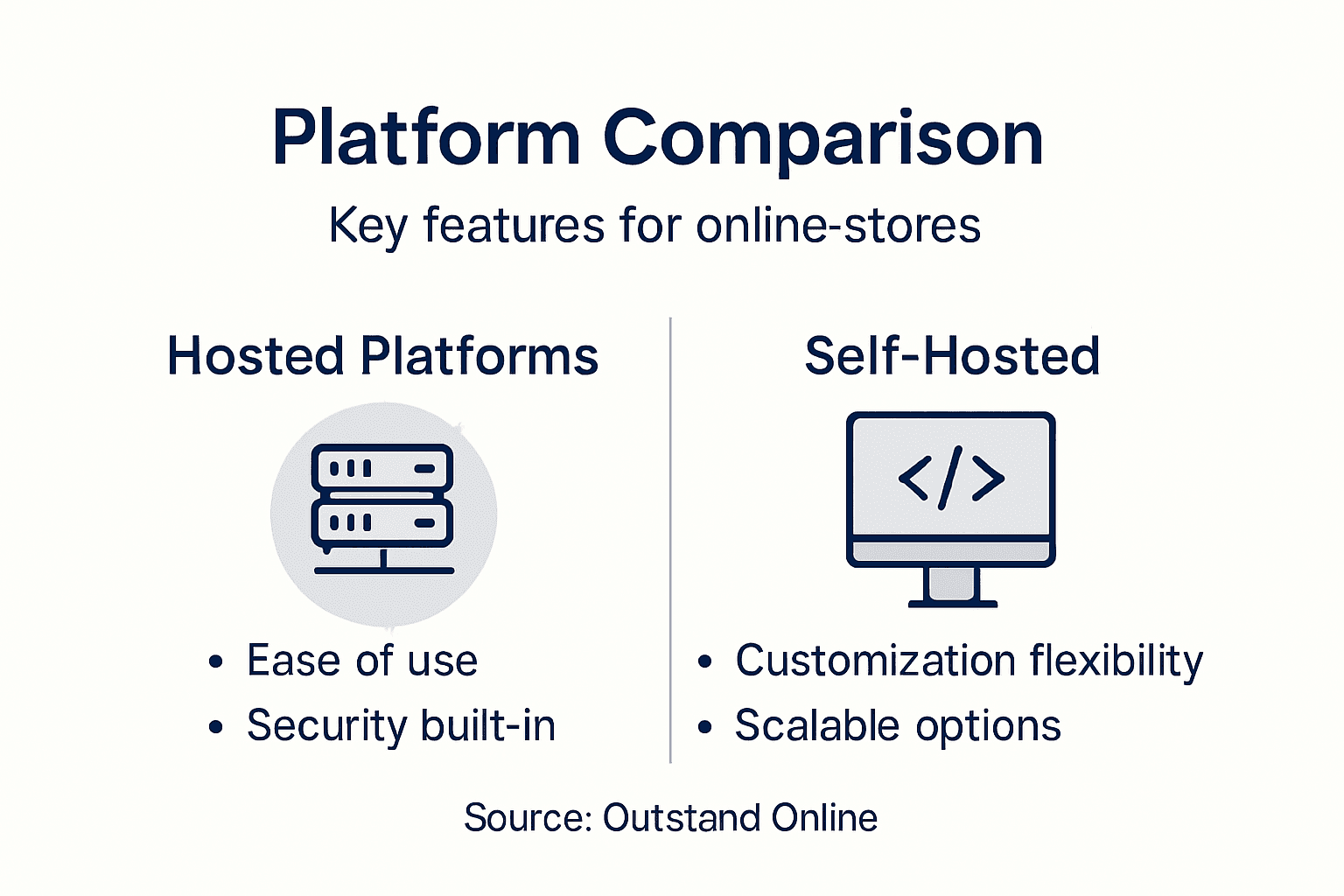
Here’s how modern ecommerce platform types align with business needs:
| Platform Type | Typical Users | Main Focus | Market Adaptability |
|---|---|---|---|
| B2C | Individual consumers | Direct product sales | High, frequent updates |
| B2B | Companies and wholesalers | Bulk transactions, integrations | Moderate, industry-driven |
| C2C | Individual sellers | Peer-to-peer trades | Niche, adaptable to trends |
| C2B | Freelancers, contributors | Service proposals, reverse auctions | Evolving, technology-dependent |
Platform Selection Considerations:
- Target audience demographics
- Product complexity
- Geographic market reach
- Transaction volume
- Integration capabilities
Selecting the right e-commerce platform can dramatically influence a business’s digital sales strategy and market penetration.
Comparative Platform Characteristics:
- B2C Platforms: Direct sales to individual consumers
- B2B Platforms: Wholesale and enterprise-level transactions
- Specialized Marketplaces: Industry-specific trading environments
Key Performance Metrics for Evaluation:
- Transaction processing speed
- Security infrastructure
- Payment gateway flexibility
- Customer support quality
- Scalability potential
Pro tip: Analyze your specific business model and growth objectives before committing to an e-commerce platform to ensure optimal long-term alignment.
Essential Features For Conversion Success
E-commerce conversion strategies demand a sophisticated approach to transforming website visitors into paying customers. The digital marketplace requires intelligent design that anticipates and removes potential barriers to purchase, creating a seamless shopping experience that guides users effortlessly from initial interest to final transaction.
Critical Conversion-Driving Features:
- Mobile-responsive design
- Intuitive navigation
- Clear product descriptions
- High-quality product imagery
- Transparent pricing
- Simplified checkout process
- Multiple payment options
- Trust signals and security badges
E-commerce architecture fundamentals emphasize the importance of technical infrastructure in supporting smooth user interactions. Performance optimization becomes crucial, with even milliseconds of page load time potentially impacting conversion rates dramatically.
User Experience Conversion Elements:
- Fast page loading speeds
- Minimal form fields
- Guest checkout options
- Progress indicators
- Real-time inventory updates
Successful conversion optimization requires continuous testing, measurement, and refinement of every user interaction point.
Technical Performance Metrics:
- Page load time under 3 seconds
- Mobile compatibility
- Cross-browser functionality
- Secure payment integrations
- Responsive customer support channels
Pro tip: Implement A/B testing to systematically identify and implement design changes that incrementally improve your conversion rates.
Legal And Security Considerations Online
International legal frameworks play a critical role in establishing trust and reliability within digital commerce environments. Navigating the complex landscape of online legal requirements demands a comprehensive approach that protects both businesses and consumers from potential risks and vulnerabilities.
Key Legal Compliance Areas:
- Data privacy regulations
- Consumer protection laws
- International transaction guidelines
- Digital contract validity
- Cross-border commerce standards
- Intellectual property rights
Payment security standards represent a fundamental aspect of online legal considerations. Businesses must implement robust mechanisms to protect sensitive financial information and maintain strict compliance with established security protocols.
Essential Security Protocols:
- SSL/TLS encryption
- PCI DSS compliance
- Secure payment gateways
- Regular security audits
- Data breach prevention strategies
Legal compliance is not a one-time achievement but an ongoing commitment to protecting digital ecosystems and maintaining customer trust.
Regulatory Compliance Checklist:
- GDPR requirements for data handling
- Regional privacy law adherence
- Transparent terms of service
- Clear privacy policy documentation
- Customer data protection mechanisms
Pro tip: Consult with a legal professional specializing in digital commerce to ensure comprehensive compliance across all operational jurisdictions.
Cost Factors And Common Mistakes
E-commerce adoption challenges reveal complex financial considerations that can make or break an online business strategy. Small and medium enterprises must navigate a delicate balance between investment and potential returns, understanding that strategic spending is more critical than simply minimizing costs.
Major Cost Categories:
- Website development
- Payment processing fees
- Marketing and advertising
- Technology infrastructure
- Customer support systems
- Security and compliance measures
- Inventory management
- Logistics and shipping
E-commerce development pitfalls often stem from underestimating the comprehensive expenses associated with creating and maintaining an online marketplace. Businesses frequently overlook hidden costs that can significantly impact their financial sustainability.
Below is a summary of key ecommerce cost drivers and their financial impact:
| Cost Factor | Initial Cost Impact | Ongoing Cost Impact |
|---|---|---|
| Website Development | High, upfront investment | Low, periodic updates |
| Payment Processing | Setup fees, integration | Recurring transaction fees |
| Marketing | Branding, launch campaigns | Continuous ad spend |
| Security & Compliance | Certification, audits | Monitoring, renewals |
| Logistics & Shipping | System setup | Variable, volume-driven |
Common Costly Mistakes:
- Inadequate initial budget planning
- Neglecting ongoing maintenance costs
- Underestimating marketing expenses
- Poor scalability considerations
- Insufficient technology investment
Cost management in e-commerce is not about spending the least, but investing strategically to maximize long-term returns.
Financial Risk Mitigation Strategies:
- Conduct thorough market research
- Create detailed financial projections
- Build flexible budget contingencies
- Prioritize essential technological investments
- Monitor and adjust spending regularly
Pro tip: Develop a comprehensive financial model that includes both initial setup costs and projected ongoing expenses to avoid unexpected financial challenges.
Turn Your Ecommerce Vision Into A Profitable Reality
Building a high-performing online store comes with obstacles like selecting the right platform, ensuring seamless user experience, and maintaining robust security and compliance. These challenges can lead to costly mistakes such as poor conversion rates and scalability issues. The article highlights crucial concepts like mobile-responsive design, secure payment gateways, and conversion optimization to overcome these hurdles and drive sales.
At Outstand Online, we specialize in tackling these exact pain points by delivering tailored ecommerce development solutions that are designed to boost your digital presence and increase revenue. Our expert team crafts responsive, secure, and user-friendly websites backed by integrated digital marketing strategies including SEO, PPC, and content marketing. With our focus on fast deployment and ongoing support, you gain a partner committed to maximizing your ecommerce potential.
Are you ready to transform your ecommerce development challenges into growth opportunities?

Take the first step now by visiting Outstand Online to schedule your free audit and receive personalized recommendations. Empower your business with a website built for conversion and built to last.
Frequently Asked Questions
What are the essential features for a successful ecommerce store?
To create a successful ecommerce store, essential features include mobile-responsive design, intuitive navigation, clear product descriptions, high-quality product imagery, transparent pricing, a simplified checkout process, multiple payment options, and trust signals like security badges.
How can businesses optimize their ecommerce platforms for better conversions?
Businesses can optimize their ecommerce platforms by ensuring fast page loading speeds, minimizing form fields, offering guest checkout options, using progress indicators, and providing real-time inventory updates. A/B testing can also help identify effective design changes.
What legal considerations must ecommerce businesses address?
Ecommerce businesses should ensure compliance with data privacy regulations, consumer protection laws, international transaction guidelines, and digital contract validity. It is important to maintain robust payment security measures and clear privacy policies.
What are some common cost factors associated with ecommerce development?
Common cost factors include website development, payment processing fees, marketing and advertising expenses, technology infrastructure, customer support systems, security and compliance measures, inventory management, and logistics and shipping costs.
Got questions? Refer to our FAQ Section for more answers.